Travel
The Engineer's Guide to Sleeping on Long-Haul Flights
By Devan Park · March 12, 2026 · 5 min read
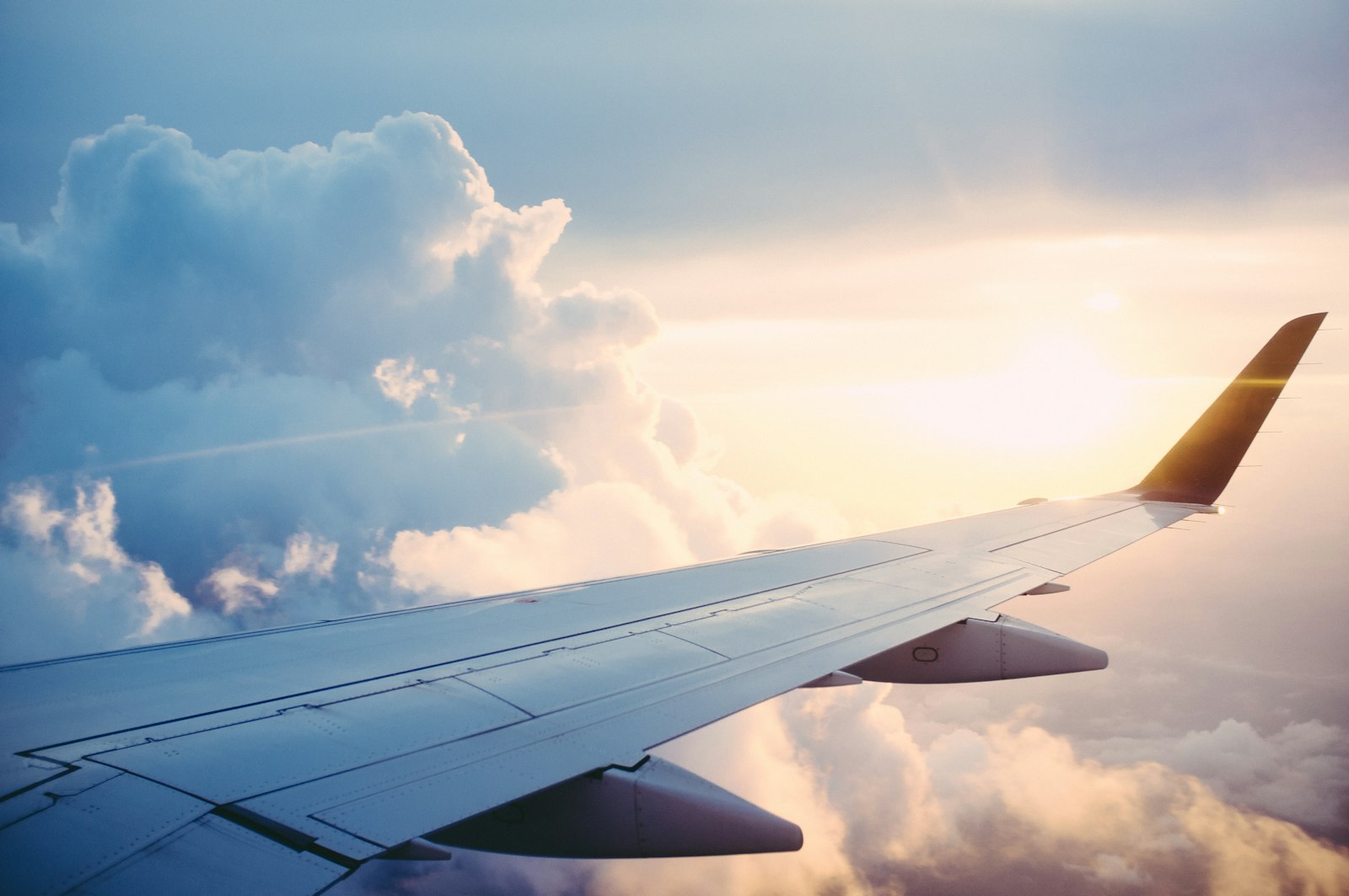
The hum of a Boeing 787-9 Dreamliner at 38,000 feet is a specific frequency, a 200-hertz white noise that masks the rustle of plastic meal trays and the impatient tapping of feet in the aisle. I am currently sitting in 31A, a seat I selected three weeks ago with the precision of a systems architect. It is the window seat directly behind the exit row. While the passengers in front of me have extra legroom, they lack under-seat storage; meanwhile, I have the benefit of a stationary seat in front of me that cannot recline into my workspace. After 180 long-haul segments, I have learned that comfort in a pressurized aluminum tube is not a matter of luck or luxury upgrades, but of rigorous environmental control. Longevity in this game requires treated every trans-Pacific flight as a hardware optimization problem rather than a passive endurance test.
The protocol begins forty-eight hours before I even check my bags. Most travelers wait until they hit the tarmac in Tokyo or Berlin to fight jet lag, but by then the battle is already lost. I use an app called Timeshifter to begin a staggered circadian shift, manipulating my light exposure in my own living room. If I am heading east, I start seeking bright light in the early mornings and wearing dark sunglasses indoors by 6:00 PM two days out. This phased-array approach to my internal clock means that when the cabin crew eventually dims the LEDs to a simulated twilight, my brain is already halfway across the Atlantic. It is a psychological head start that prevents that frantic, wide-eyed stare at the seatback monitor while the rest of the world is asleep.
Hydration is the most frequently misunderstood variable in the flying equation. The common mistake is chugging liters of overpriced airport water once you pass through security, which only leads to frequent, disruptive trips to the lavatory during the crucial sleep window. Instead, I front-load my hydration twenty-four hours before departure, saturating my tissues while I still have easy access to a bathroom. Once on board, I sip sparingly. The air in a cabin is roughly ten percent humidity, drier than the Sahara, so I supplement the internal fluid with external barriers. A merino wool base layer from Outlier is my standard uniform; it regulates temperature far better than the synthetic blends provided in amenity kits and prevents the clammy chill that often wakes you up during a descent over the Rockies.
When the meal service begins on an eastbound flight, I am the outlier who waves the tray away. There is a specific sensory trap in the smell of reheated chicken korma that signals the brain to wake up and engage, just as your metabolic rate should be dropping. Digestion is a high-energy process that raises your core body temperature, exactly the opposite of what is required for deep REM sleep. I prefer to reach a state of fasted stasis, ignoring the clinking silverware in favor of a gear stack designed for sensory deprivation. I slide on a Manta eye mask, which features deep cups that allow for blinking without lash friction, and insert a pair of Loop earplugs. If the engine drone is particularly aggressive, I layer a pair of Bose QuietComfort headphones over the top, creating a silent, dark vacuum in the middle of a crowded cabin.
The pharmacology of the long-haul flight is a contentious subject among my peers. Some swear by high-dose melatonin, but I have found it to be an unpredictable tool at altitude. In a pressurized cabin, the 4:00 AM melatonin hangover can feel like a dull thud behind the eyes that persists long after you have cleared customs. I limit myself to a micro-dose of 0.5 milligrams, just enough to signal the onset of the sleep cycle without inducing a chemical fog. The goal isn't to be knocked out, but to lower the threshold for natural sleep to take over. When I do drift off, I am aided by the unsung hero of my travel kit: medical-grade compression socks. They prevent the edema—the heavy, swollen 'cabbage legs'—that makes movement painful upon arrival and reduces the risk of deep vein thrombosis during those twelve-hour hauls.
There is a particular kind of quiet that settles over a cabin at 3:00 AM, somewhere over the North Atlantic, where the only movement is the blue glow of a flight tracker on a distant screen. In this window, the seat behind the exit row proves its value again. Because no one can recline into me, I have the physical clearance to use a small footrest I’ve wedged into the footwell, keeping my knees slightly elevated to take pressure off my lower back. I avoid the temptation to check Slack or finish a slide deck. The blue light from a MacBook is a stimulant that overrides any amount of preparation. If I cannot sleep, I listen to a non-fiction audiobook on half-speed, a drone that serves as a secondary layer of white noise, until the rhythmic cadence of the narrator finally wins.
The final phase of the protocol occurs the moment the landing gear locks into place. Jet lag is essentially a data mismatch between your internal clock and the external environment, and the fastest way to sync the two is through the eyes. I have a 90-minute sunlight rule: as soon as I drop my bags at the hotel, I get outside. I don’t wear sunglasses, and I don’t sit in a dark cafe. I walk. The direct hit of photons on the retina signals the hypothalamus to stop producing melatonin and start the cortisol clock for the local day. Even if it is overcast in London or drizzling in San Francisco, the lux levels outdoors are significantly higher than anything found under a fluorescent bulb. This resets the master clock with a level of authority that no amount of espresso can match.
Leaving the terminal at Heathrow, I feel the familiar crispness of the morning air and the subtle ache of a body that has been folded into a chair for half a day. But because I didn't eat the midnight pasta or spend the flight staring at a screen, the transition is manageable. I see other travelers from my flight heading straight for the hotel bed, a move that will haunt their sleep cycles for the next four days. I turn toward the park instead, following the 90-minute rule as the city begins to wake up. The engineer’s approach to travel isn't about avoiding the discomfort of the journey, but about minimizing the recovery time on the other side. As I walk, the fog of the flight lifts, replaced by the sharp, clear reality of a new time zone.
